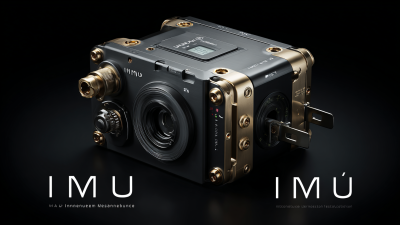
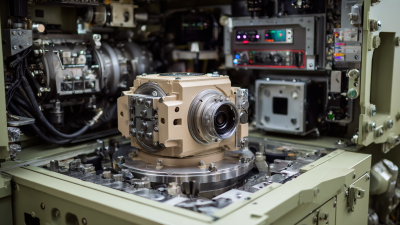
Recent breakthroughs in strapdown IMU (Inertial Measurement Unit) tech have really pushed its applications into all sorts of fields—it's pretty exciting to see how innovative this tech has become. According to a report from MarketsandMarkets, the global market for inertial navigation systems is expected to hit about $13.5 billion by 2025. This growth is mainly fueled by the rising demand for reliable navigation solutions in industries like aerospace, automotive, and robotics.

Here at Poseidon International Group in Hong Kong, we’ve been right in the middle of these advancements since we started back in 2013. We focus on the research, design, and manufacturing of the latest inertial navigation systems and fiber optic gyroscopes. Our deep expertise in attitude and control systems, plus autonomous driving tech, has helped us secure several patents—pretty proud moments for us! As we keep exploring new ways to apply strapdown IMUs, we’re confident we’ll continue to play a major role in shaping the future of precision navigation and smart systems. It’s an exciting time, no doubt!
Understanding Strapdown IMU: Fundamentals and Working Principles
You know, Strapdown Inertial Measurement Units, or IMUs for short, are really a game-changer when it comes to tracking motion. Unlike those older IMUs that used gimbals to keep everything steady, strapdown IMUs have their sensors built right onto the moving platform itself. That design makes them smaller, lighter, and honestly, way more reliable and precise. The basic idea is pretty cool: these IMUs constantly figure out their orientation and position by using accelerometers and gyroscopes working together. Basically, they detect how fast they’re moving and turning, so they can track movement pretty much in real-time.
The way they work is all about inertial navigation algorithms that crunch the raw sensor data to tell you about motion. This involves some fancy math — like using quaternions — to transform what the sensors pick up into a format we can actually understand. As the device moves around, the onboard software keeps updating its location data. When you combine this info with other systems, it’s perfect for things like robots, self-driving cars, or even VR setups. All in all, strapdown IMUs are pretty versatile and have become a key part of modern tech, showing just how far we’ve come in motion sensing.
Key Advantages of Strapdown IMU Over Traditional Systems
These days, the strapdown Inertial Measurement Unit (or IMU for short) is catching on in a bunch of modern tech—mainly because it has some pretty big perks over the older, traditional systems. One of the biggest selling points? It’s super compact. Unlike those bulky gimbaled setups with lots of mechanical parts, strapdown IMUs are sleek and don’t need all that extra weight. That makes them a lot easier to work into different projects, whether you're dealing with drones, autonomous cars, or whatever else you’ve got in mind.
I came across a report from Research and Markets that says the global IMU market is supposed to grow at about 12.5% annually, hitting around $5.1 billion by 2025. And a big reason for that? The strapdown units, thanks to their versatility and smaller size, are playing a major role in that growth.
Another thing I find pretty cool is how reliable and accurate these strapdown IMUs are, especially for real-time motion tracking. Older systems often have issues with drift errors and need regular recalibration, which can be a real pain. But strapdown IMUs use some smart algorithms that keep calculating orientation and position on the fly, even with low-frequency signals.
A study by IEEE even showed that they can get position accuracy within just 1% of traditional setups—pretty impressive, right? This kind of reliability makes them a top choice for serious applications like robotics or aerospace, where you need measurements you can actually count on.
Innovative Uses of Strapdown IMU in Autonomous Vehicles
You know, the strapdown Inertial Measurement Unit (IMU) has really become a key player in the world of self-driving cars. It's driving some pretty exciting advances in navigation and control tech. I came across this recent report from MarketsandMarkets, and apparently, the global IMU market is expected to hit around $3.2 billion by 2025. A big chunk of that growth comes from automotive demands, which makes sense given how much more reliant cars are becoming on these systems. The cool part is that strapdown IMUs can process data in real time, so vehicles don’t have to depend heavily on GPS or external signals to figure out where they are and which way they’re facing—that’s a game-changer.
These strapdown IMUs use some pretty sophisticated algorithms and tiny MEMS chips to keep track of motion with a lot of precision. That’s super important, especially for self-driving cars where safety is everything. I read a study (can’t remember from where exactly) that said cars equipped with strapdown IMUs saw about a 30% jump in navigation accuracy compared to older, more traditional systems. Plus, when you combine IMUs with other sensors like LiDAR and cameras, the vehicle’s understanding of its surroundings just gets way better. All of this adds up to making autonomous driving safer and more reliable—big steps toward better transportation for everyone.
Innovative Applications of Strapdown IMU in Autonomous Vehicles
This chart illustrates the innovative applications of Strapdown IMUs in various aspects of autonomous vehicles. The data reflects the percentage of use cases across different functionalities within autonomous driving systems.
Enhancing Robotics with Strapdown IMU Technology
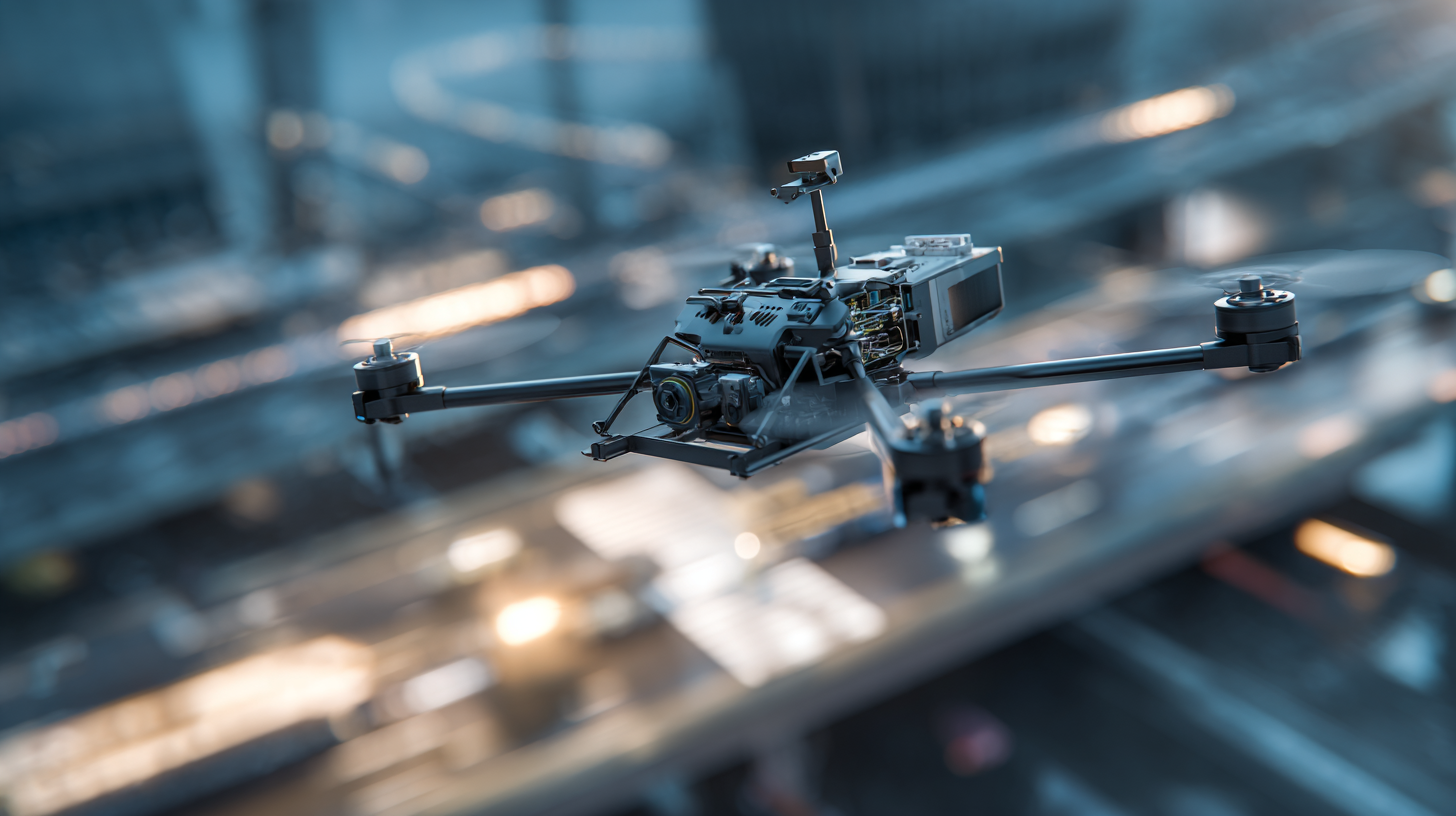 Strapdown Inertial Measurement Units, or IMUs for short, have really become a game-changer in modern robotics. Unlike the older, more cumbersome IMUs that needed lots of calibration and precise alignment, these strapdown ones are pretty much ready to go — they’re designed to fit right into different robotic systems smoothly. What’s cool is, they can give real-time info on acceleration and rotation, and when you combine that with smart algorithms for data fusion, robots can navigate tricky environments way more accurately. This is why you’ll find them in all sorts of tech — from self-driving cars and drones to industrial robots.
Adding strapdown IMUs to robots doesn’t just boost their overall performance; it also makes their sensor data much more reliable. When you blend IMU data with stuff like GPS and LiDAR, robots get a pretty sharp picture of what’s around them. That’s especially important in high-stakes situations like search and rescue or exploring rough terrains where precision really counts. Plus, because these IMUs are lightweight and compact, they can be fitted into smaller devices, which opens up tons of new possibilities for innovative robots across loads of industries.
Applications of Strapdown IMU in Wearable Fitness Devices
You know, Strapdown Inertial Measurement Units (IMUs) have really changed the game in wearable fitness tech. They give us super accurate motion tracking, which makes using these devices way more intuitive and helpful. These IMUs pack in cutting-edge sensors that measure acceleration and rotation, so your device can tell exactly how you're moving, your posture, and even your performance metrics. And the best part? They’re small and light enough to go unnoticed, fitting perfectly into all kinds of wearable fitness gadgets—whether you're a serious athlete or just someone trying to stay active.
Thanks to MEMS technology, things have gotten even better. These tiny sensors pack a punch—offering high performance and the ability to fuse data from different sources. That means your device can analyze your body mechanics on the fly while you’re working out, giving you real-time feedback. Not only does this help you keep track of your activity, but it also helps prevent injuries. It can actually alert you if your form isn’t quite right. Companies like Poseidon International Group are pushing the envelope, developing advanced inertial navigation and attitude control systems that make wearables smarter and more reliable. Their focus is all about improving these sensors so that your fitness gadgets give you clearer insights, helping you hit your goals more easily and confidently.
Innovative Applications of Strapdown IMU in Wearable Fitness Devices
| Application |
Description |
Benefits |
Example Features |
| Motion Tracking |
Use of IMUs to analyze body movements during workouts. |
Improves technique and reduces injury risk. |
Real-time motion analytics |
| Heart Rate Monitoring |
Integration of IMU data with heart rate sensors for intensive training feedback. |
Optimizes training sessions and aids in recovery. |
Heart rate variability analytics |
| Fitness Gamification |
Leveraging IMU data for interactive and engaging fitness challenges. |
Increases motivation and user engagement. |
Virtual coaching and challenges |
| Sleep Tracking |
Monitoring body movements during sleep using strapdown IMUs. |
Provides insights for improving sleep quality. |
Sleep cycle analysis |
| Posture Analysis |
Real-time feedback on posture during various activities. |
Helps prevent back and neck issues. |
Posture correction alerts |
Future Trends for Strapdown IMU in Emerging Technologies
Looking ahead, the future of strapdown Inertial Measurement Units (IMUs) in new and emerging tech is pretty exciting, especially in areas like self-driving cars, robotics, and wearable devices. I came across a report from MarketsandMarkets that says the global IMU market could jump from about $1.45 billion in 2023 up to nearly $2.85 billion by 2028 — that’s a solid growth rate of around 14.5% annually. The main driver? The rising need for accurate positioning and navigation systems across all sorts of different applications.
As industries keep evolving, we’re seeing these tiny IMUs becoming even more crucial, especially when connected to the Internet of Things (IoT). These little sensors are super portable and lightweight, yet pack a punch with real-time data processing and better accuracy — which is exactly what’s needed in smart cities and automated factories. I think the coolest part? When combined with machine learning, data from strapdown IMUs could totally change the game for predictive maintenance and making operations run smoother. For example, a Frost & Sullivan report suggests that by 2025, more than half of manufacturing companies will be using these cutting-edge sensor tech to streamline their processes — a clear sign we're heading into an era of smarter, more precise automation.
And don’t forget about consumers! The use of strapdown IMUs in wearable gadgets is expected to skyrocket, with a growth rate of around 20% over the next five years. This is mainly because more people are into health and fitness tracking, and these sensors can analyze motion in real-time, giving users really valuable insights into their physical activity. With miniaturization and better connectivity constantly advancing, it seems like strapdown IMUs are set to completely change how we experience personal tech, making everything more responsive and user-friendly.
FAQS
: A strapdown IMU is a type of inertial measurement unit that utilizes algorithms to compute orientation and position without relying on bulky mechanical components, thereby allowing for a compact design ideal for various applications.
Unlike traditional gimbaled IMUs that require bulky mechanical components for stabilization, strapdown IMUs feature a more compact design that simplifies integration into applications like drones and autonomous vehicles.
The global market for IMUs is anticipated to grow at a CAGR of 12.5%, reaching $5.1 billion by 2025, with strapdown units playing a significant role in this growth.
Strapdown IMUs use algorithms that continuously compute orientation and position from low-frequency signals, mitigating issues like drift errors that are common in traditional systems, thereby achieving high accuracy in real-time motion tracking.
Strapdown IMUs enhance robotics by providing real-time data on acceleration and angular velocity, facilitating seamless integration into robotic systems and improving navigation precision in complex environments.
Strapdown IMUs improve sensor fusion capabilities by combining IMU data with inputs from other sensors like GPS and LiDAR, resulting in a more accurate understanding of the environment, essential for high-autonomy applications.
Strapdown IMUs are preferred for critical systems because they deliver consistent and precise measurements, which are essential for applications requiring high reliability, such as aerospace and robotics.
Their compact design and high precision allow strapdown IMUs to be easily integrated into autonomous vehicles, enabling better navigation and enhancing overall system performance.
Strapdown IMUs are especially valuable in applications requiring high levels of autonomy, such as search and rescue missions, exploration of challenging terrains, and industrial automation.
The lightweight and compact design of strapdown IMUs enables their deployment in smaller robotic systems, opening up new possibilities for innovative applications across various industries.
Conclusion
Lately, you’ve probably noticed that Strapdown IMU tech has been making a real splash in a bunch of modern applications across different fields. Unlike those older systems, Strapdown IMU packs a punch with its smaller size, lighter weight, and better integration—making it perfect for all sorts of cutting-edge tech. Whether it’s self-driving cars that need ultra-precise navigation, or robots that rely on good orientation and stability, this technology has shown it can do a lot. It’s pretty versatile and super efficient, honestly.
And get this—it's even changing the game for wearable fitness gadgets. These devices now offer spot-on motion tracking and detailed performance data, which users totally love. Looking ahead, the idea of more and more emerging tech adopting Strapdown IMU is seriously exciting—it feels like we’re on the brink of a whole new era in automation and smart tech. Here at Poseidon International Group (Hong Kong) Limited, we’re all about pushing the boundaries of inertial navigation and attitude control systems. We really believe in harnessing the power of Strapdown IMU to help us innovate across different industries and stay ahead of the curve in tech innovation.

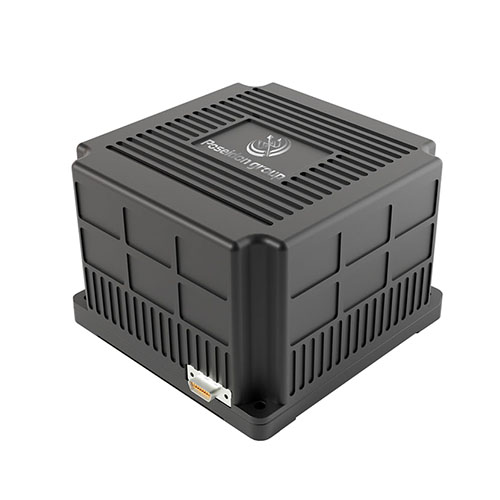 TBSD60
 BSD120
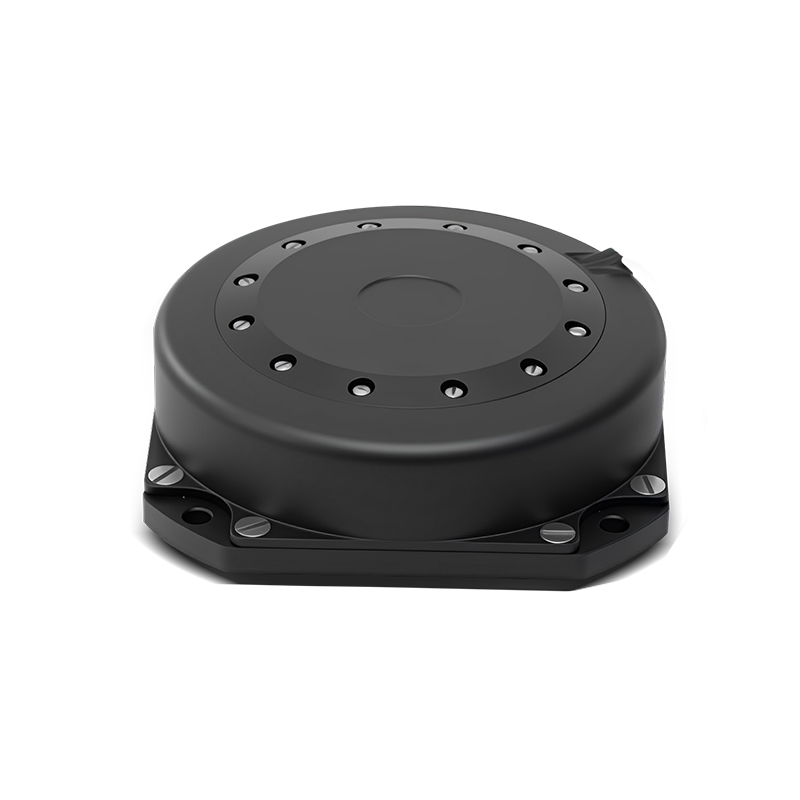 BSD98
BSD98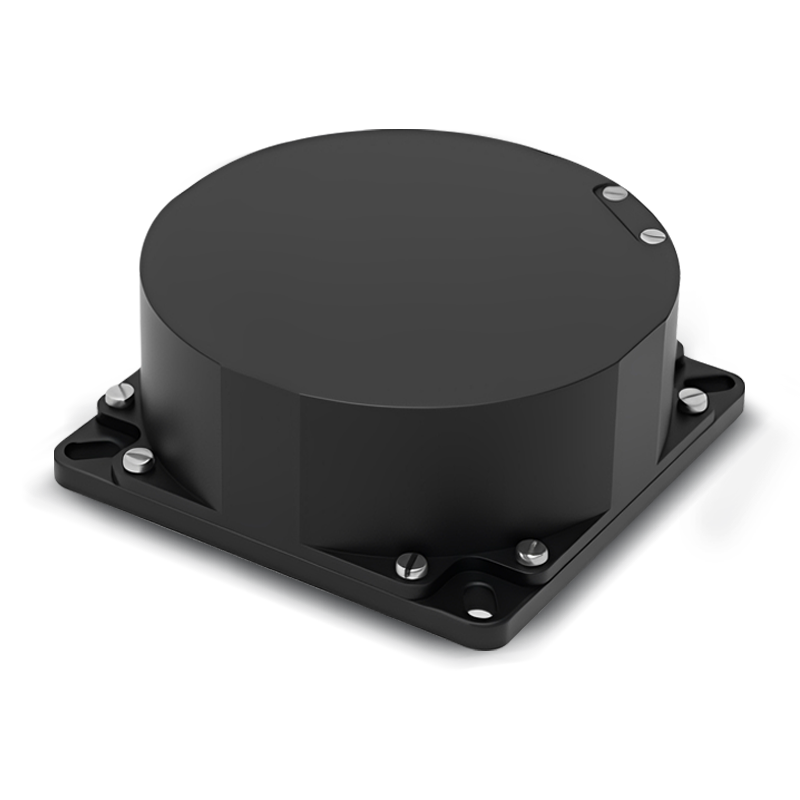 BSD70
BSD70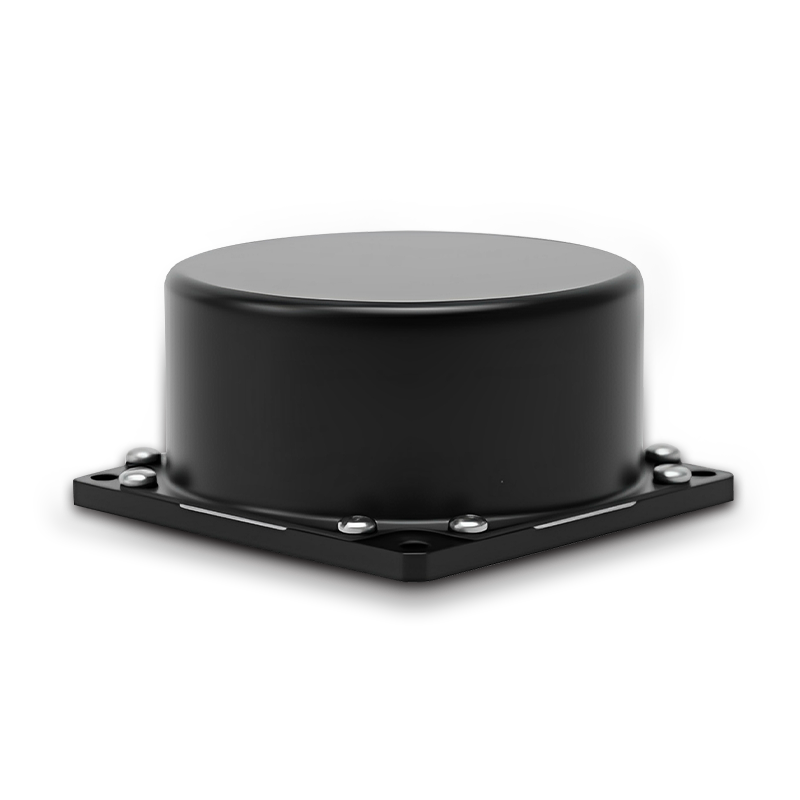 BSD60
BSD60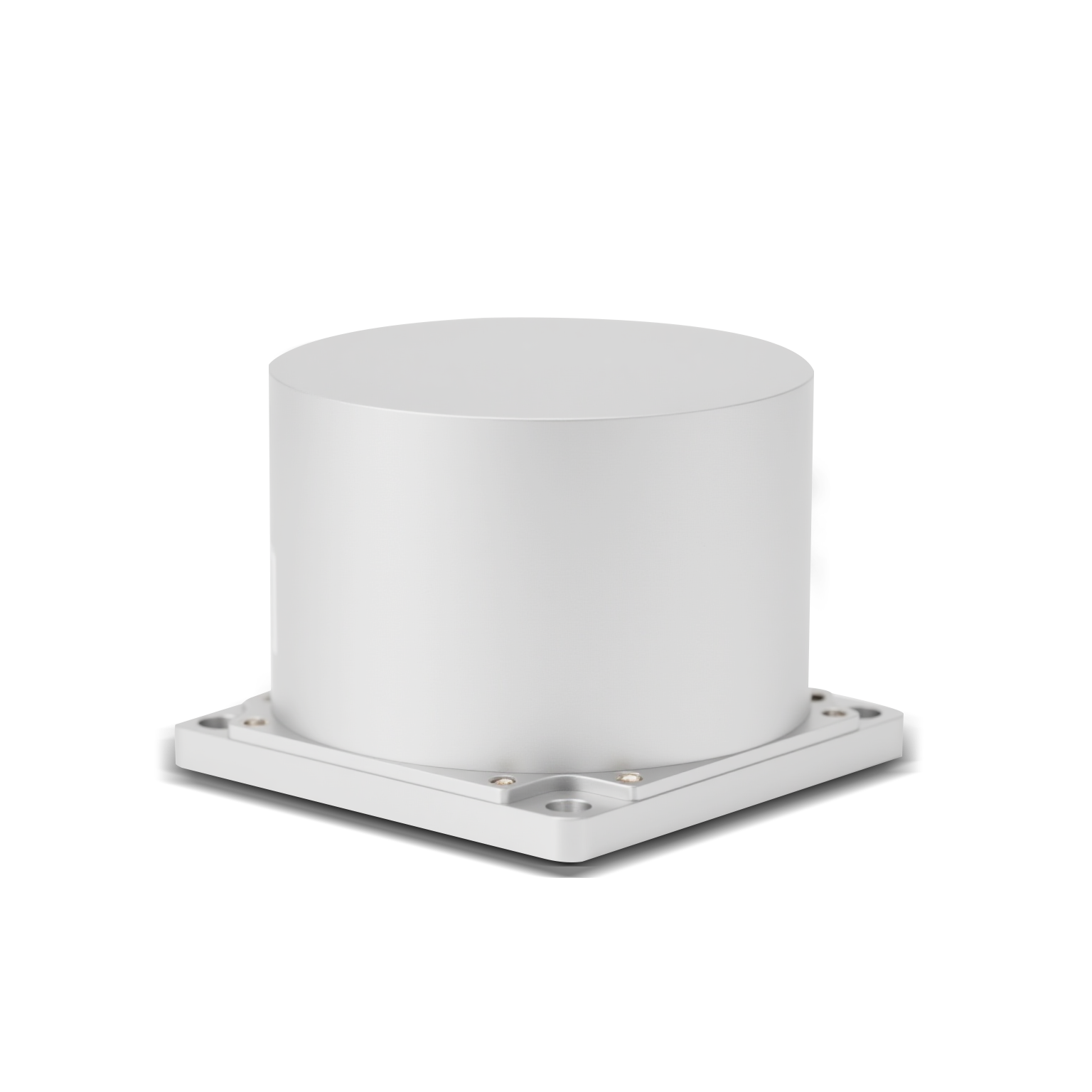 BSD50
BSD50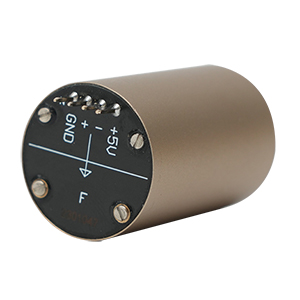 BSD217
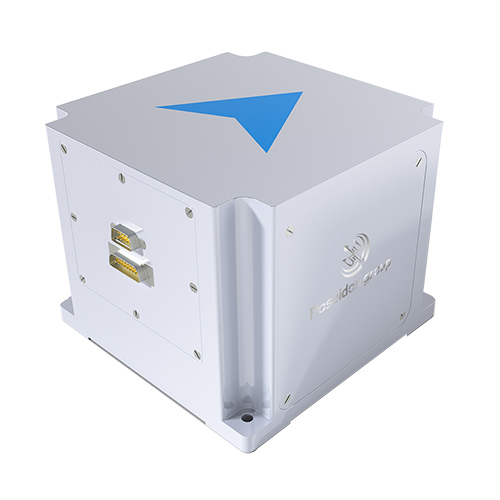 INS1700
 INS970
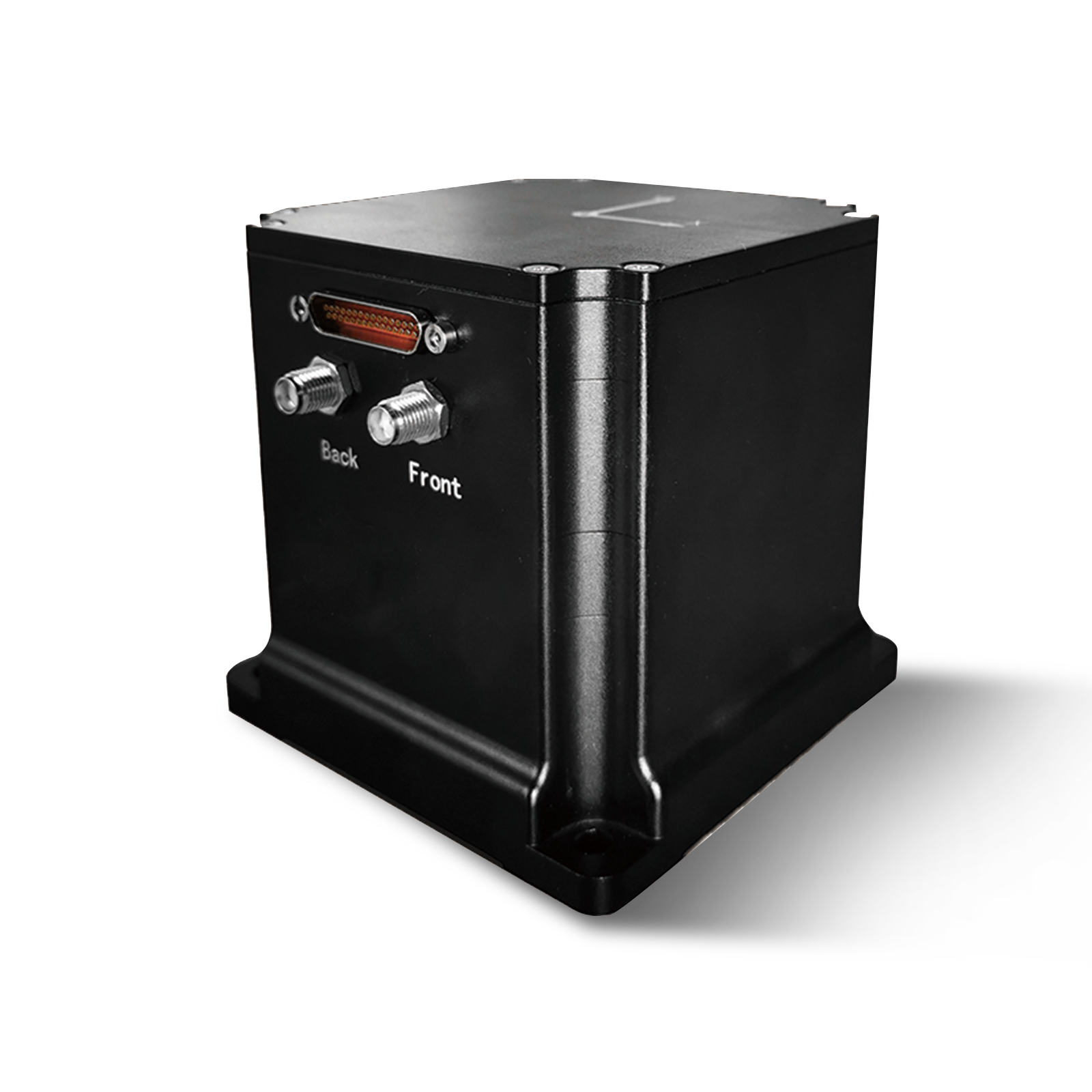 INS570
 INS170
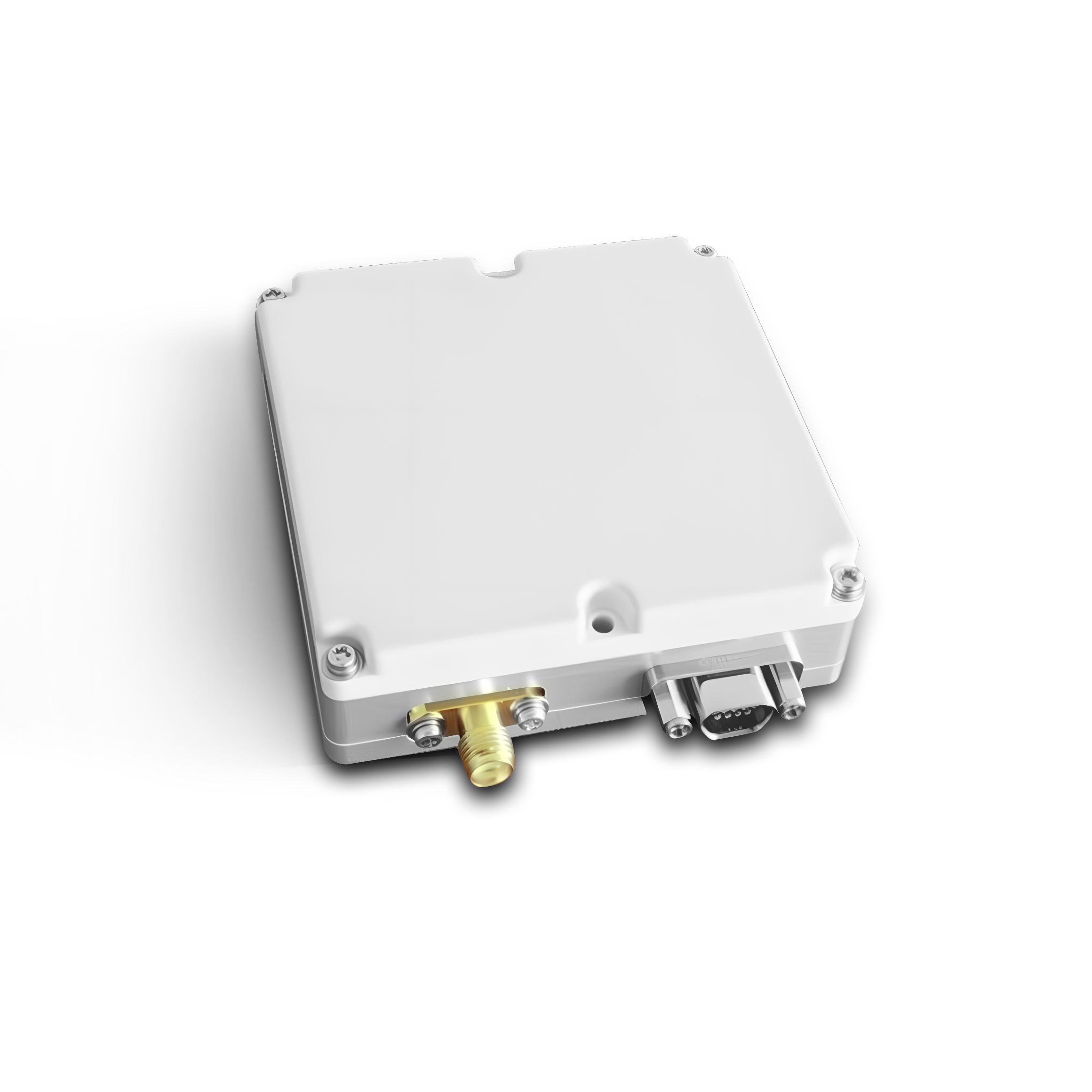 SLA-4B1L1-65
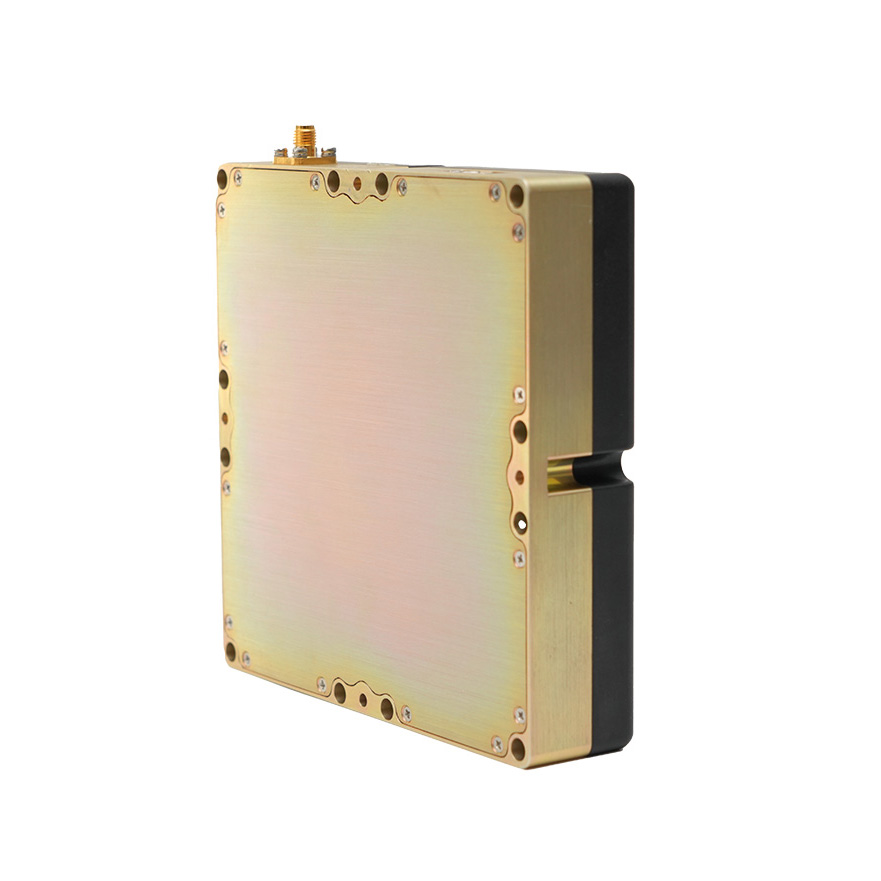 SLA-4B1L1-130
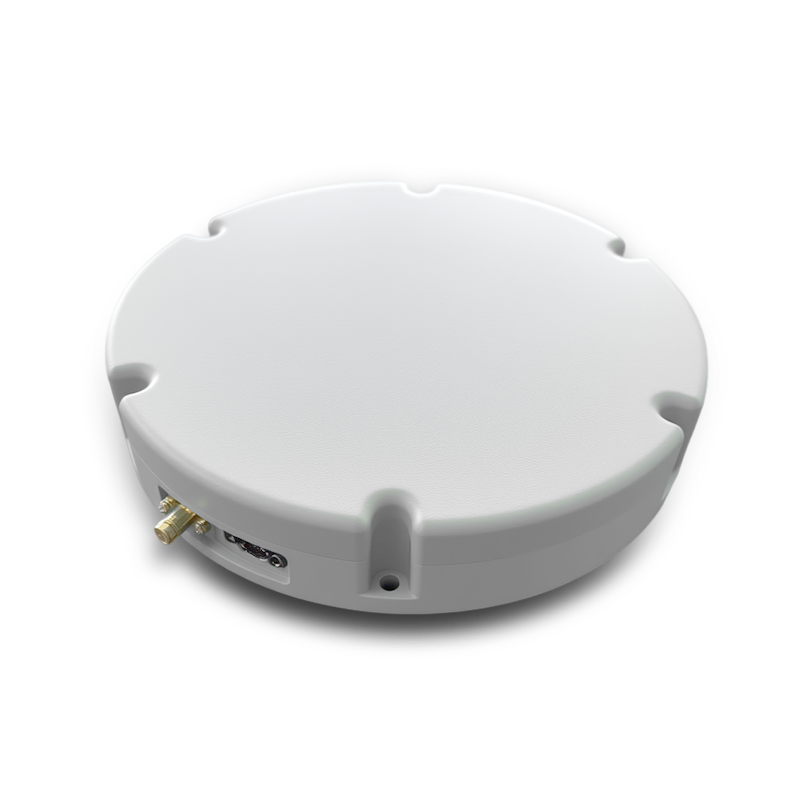 SLA-8B1L1-165
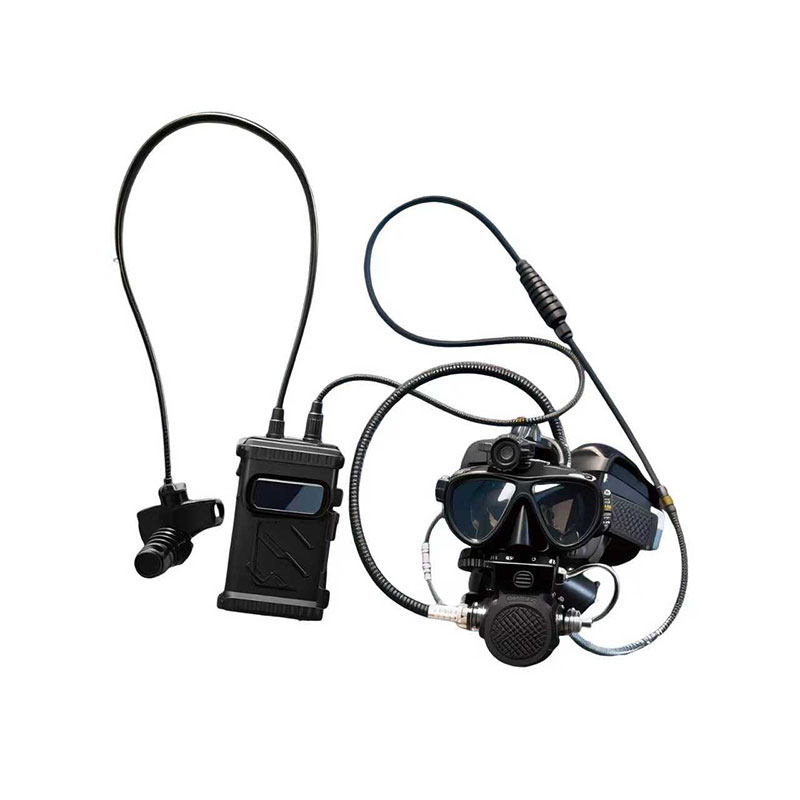
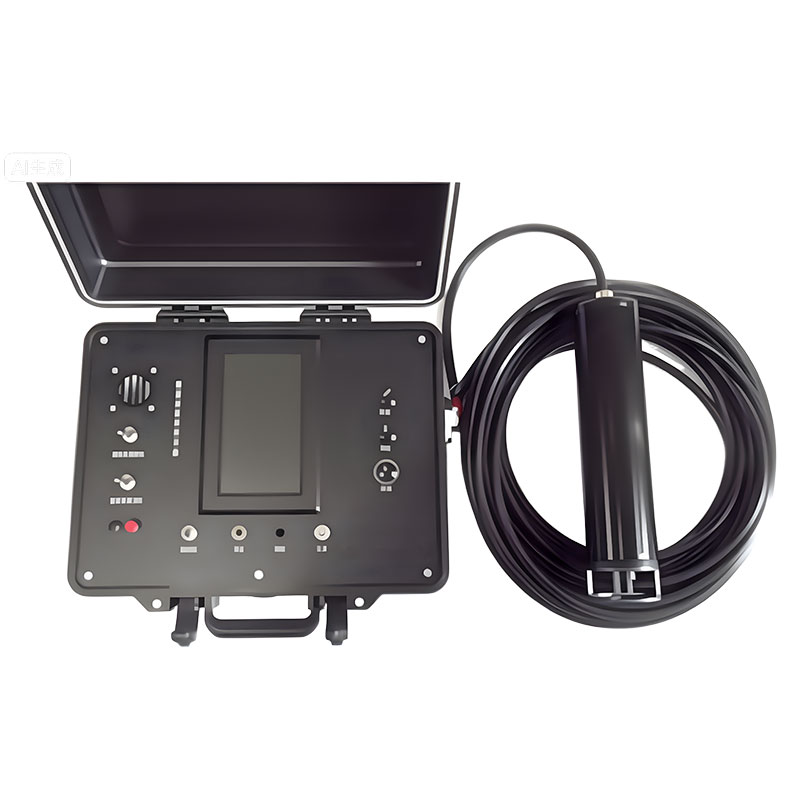 DIVER 101
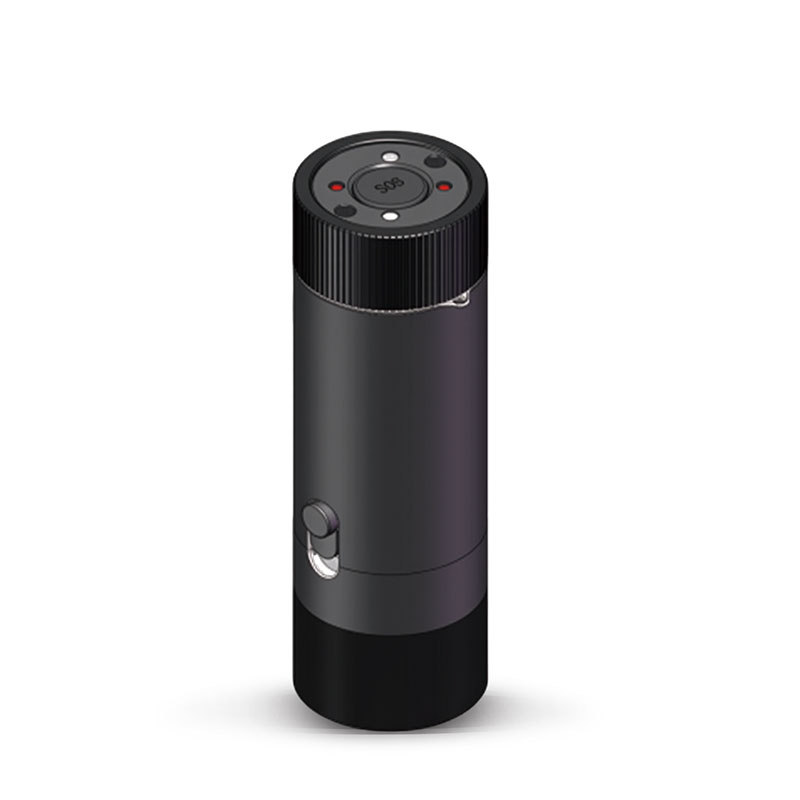
 DIVER 102
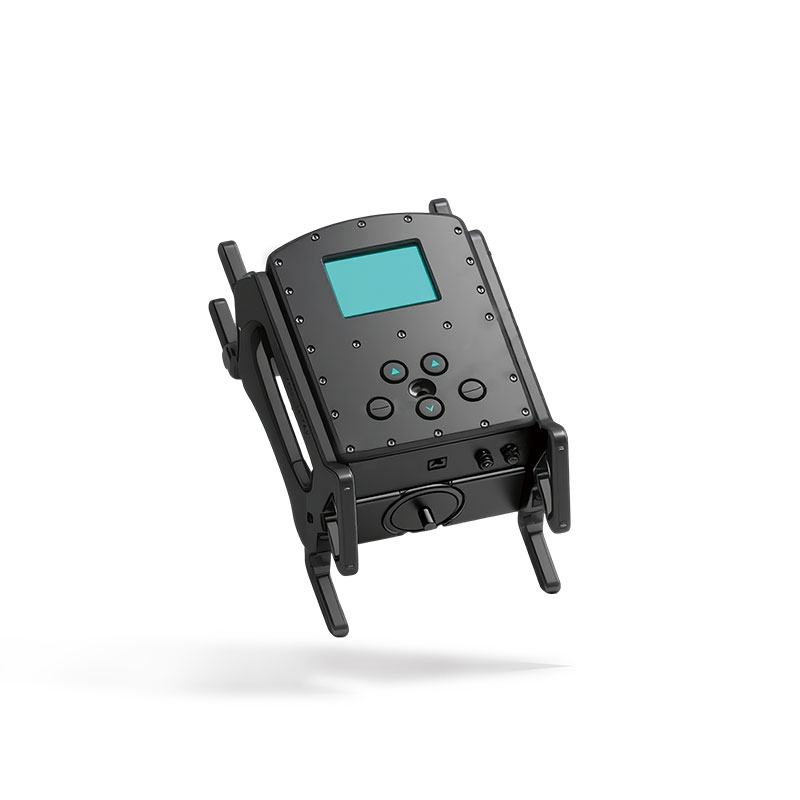
 DIVER 103
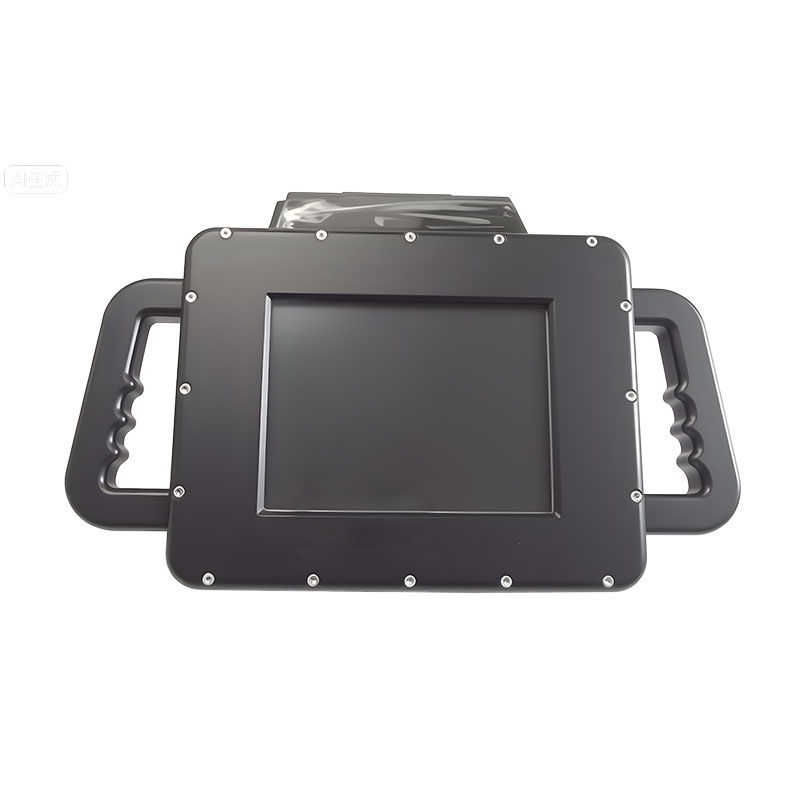
 DIVER 104
 DIVER 105
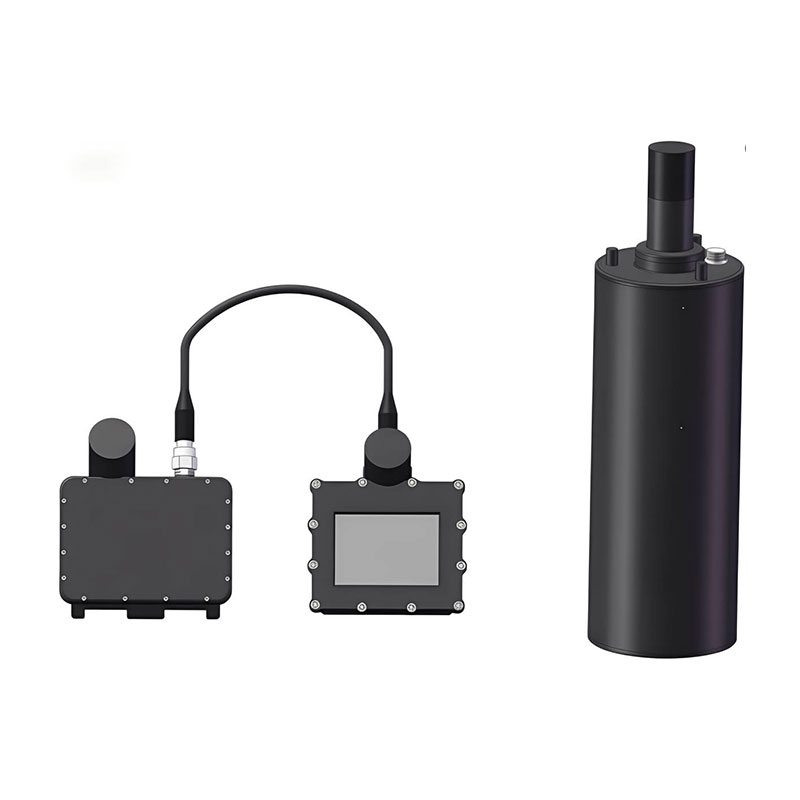 DIVER 106
 SLLR3000
 SLLR905
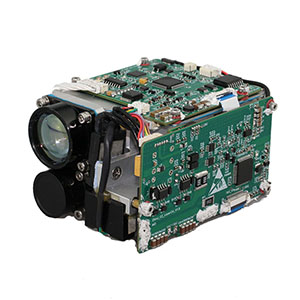 SLLD25
 160M
160M 170M
170M SLFC-70
 SLAF280
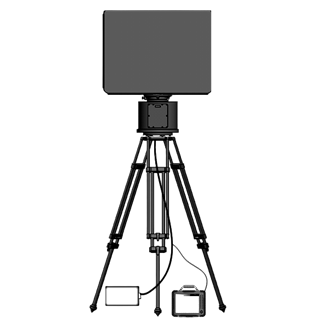 MR360
MR360