
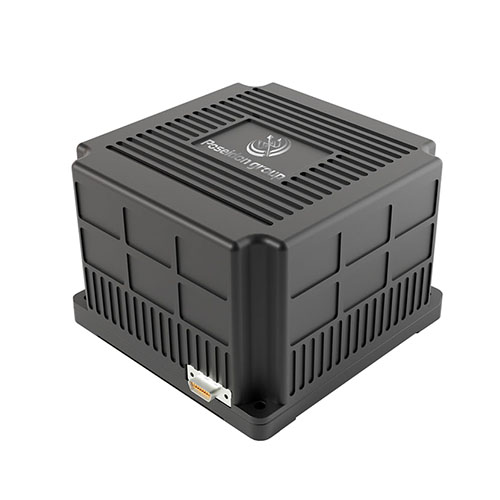
 TBSD60
 BSD120
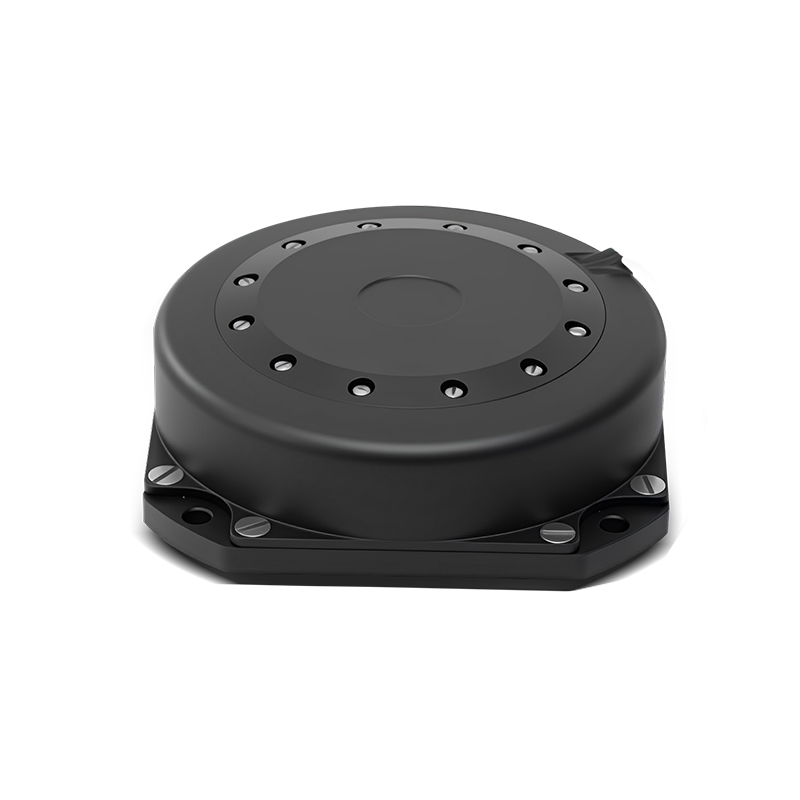 BSD98
BSD98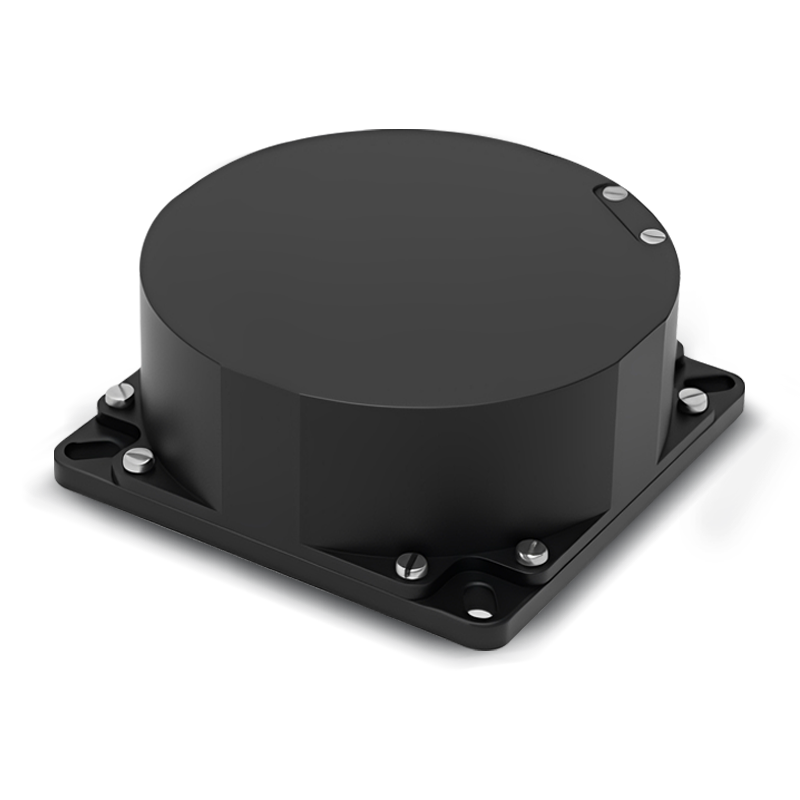 BSD70
BSD70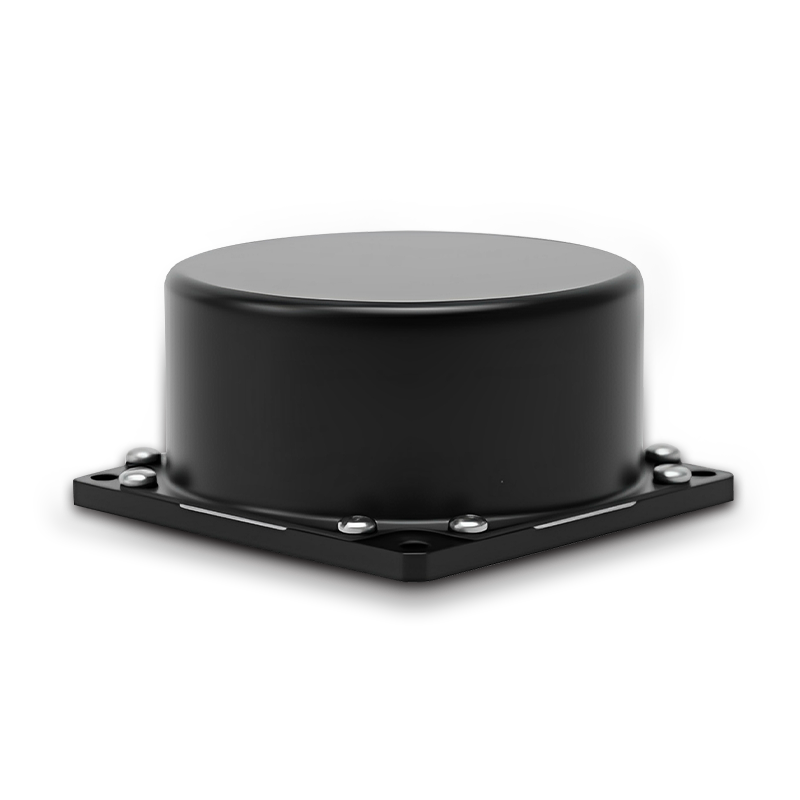 BSD60
BSD60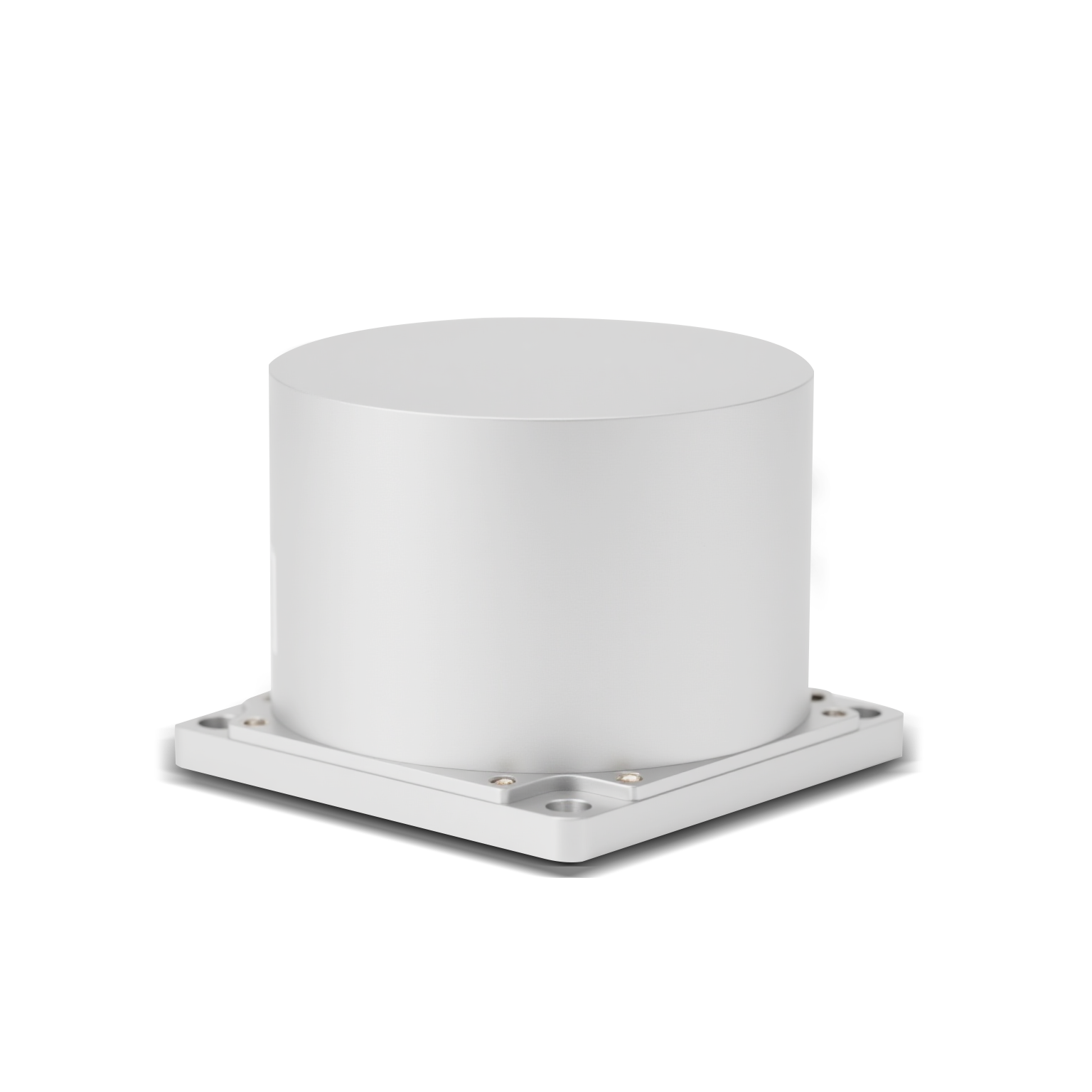 BSD50
BSD50 BSD217
 INS1700
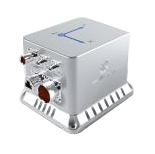 INS970
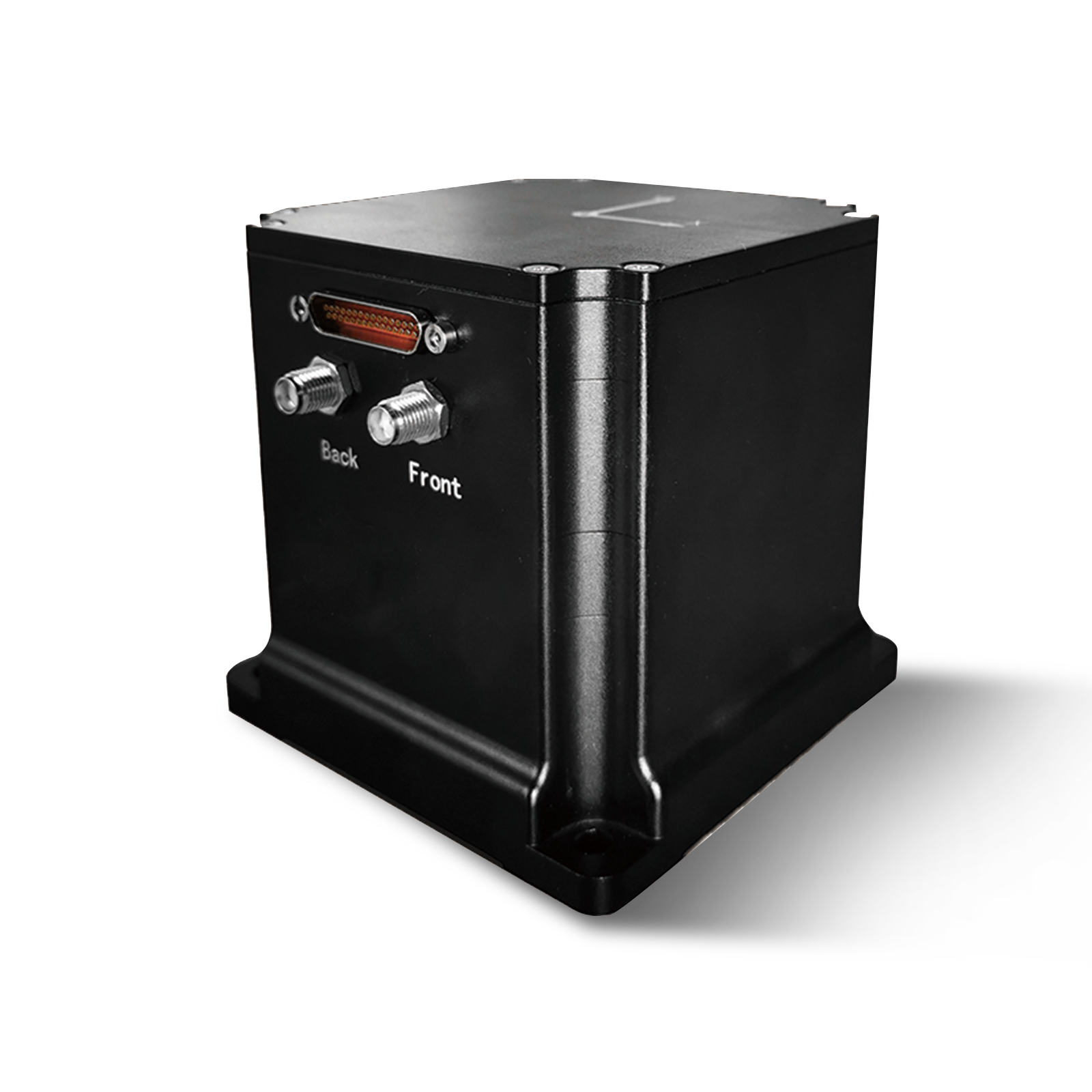 INS570
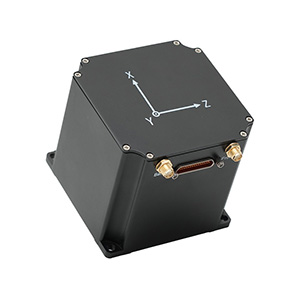 INS170
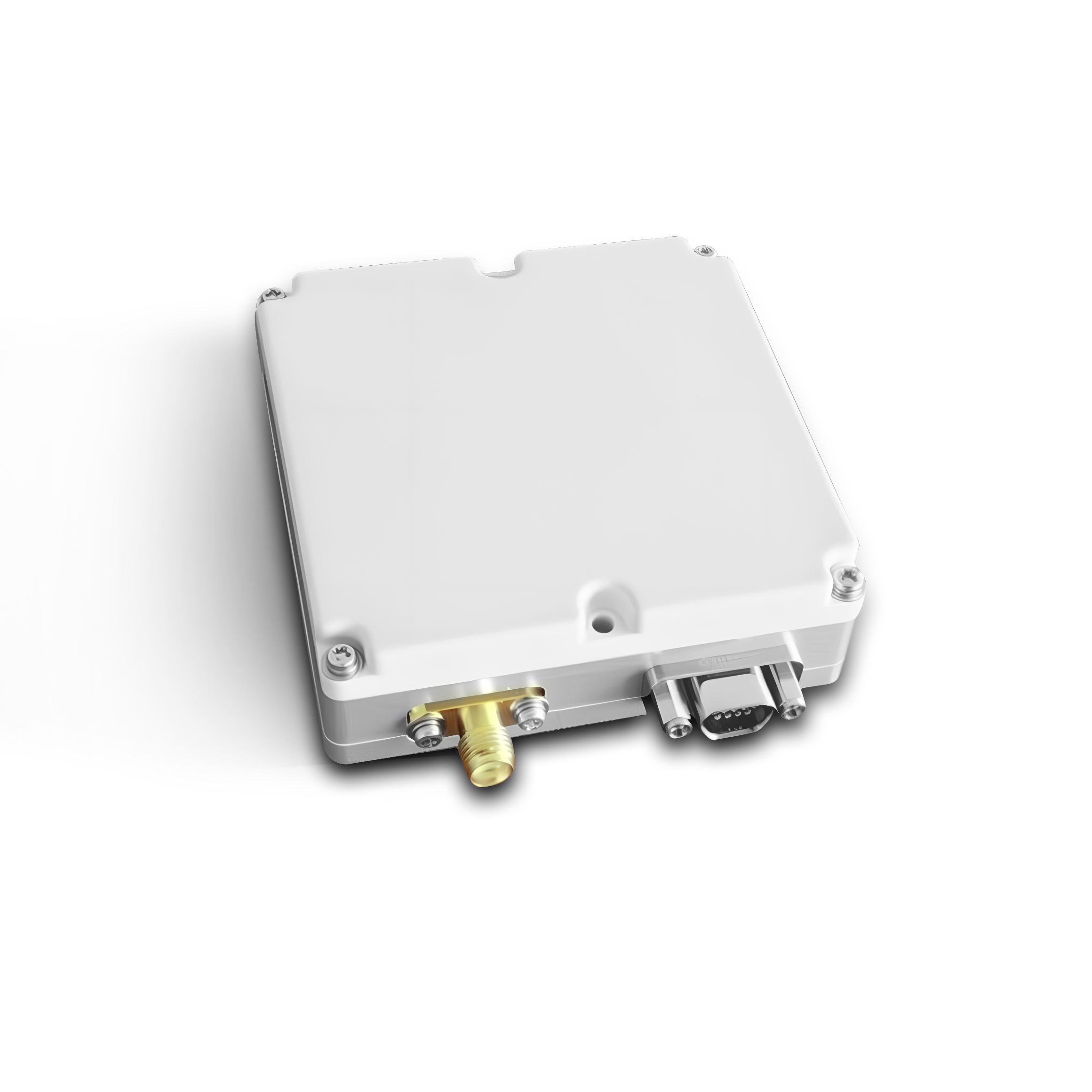 SLA-4B1L1-65
 SLA-8B1L1-110
 SLA-4B1L1-130
 SLA-16B1L1-160
 SLA-8B1L1-165
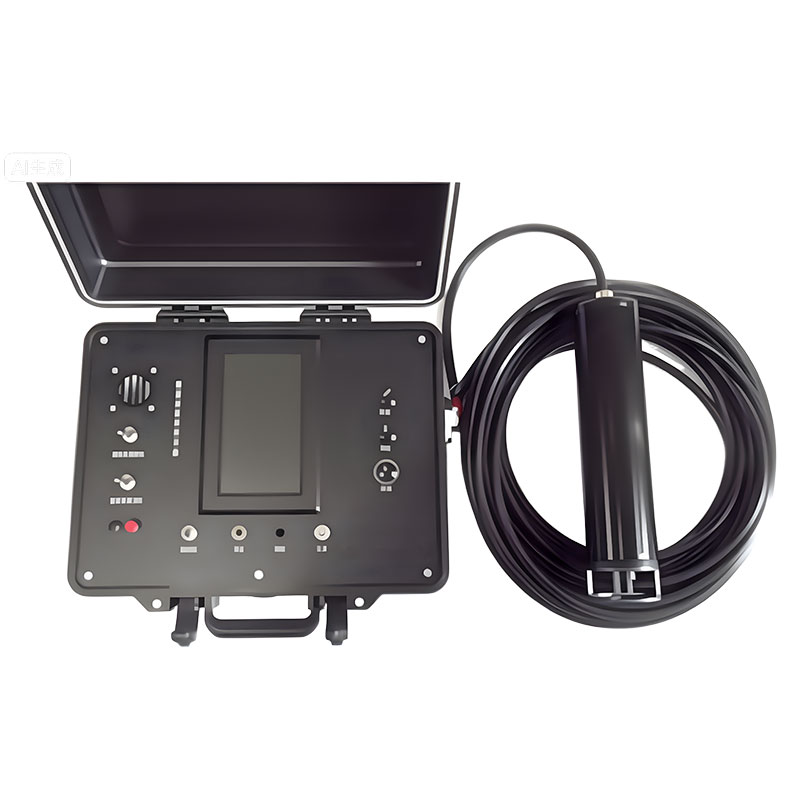 101 Vessel-mounted Positioning
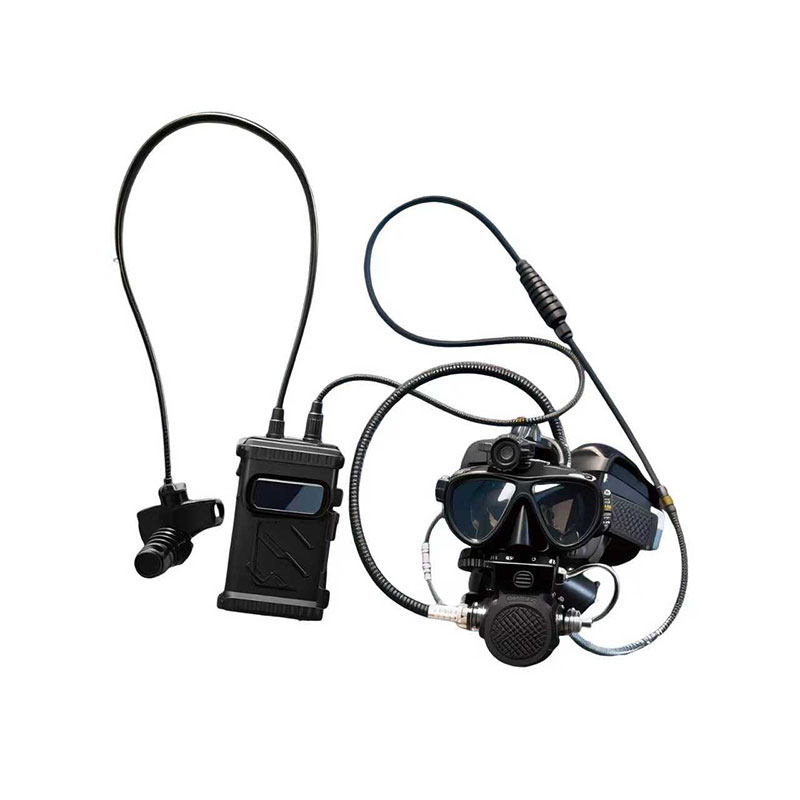 102 Acoustic Communication
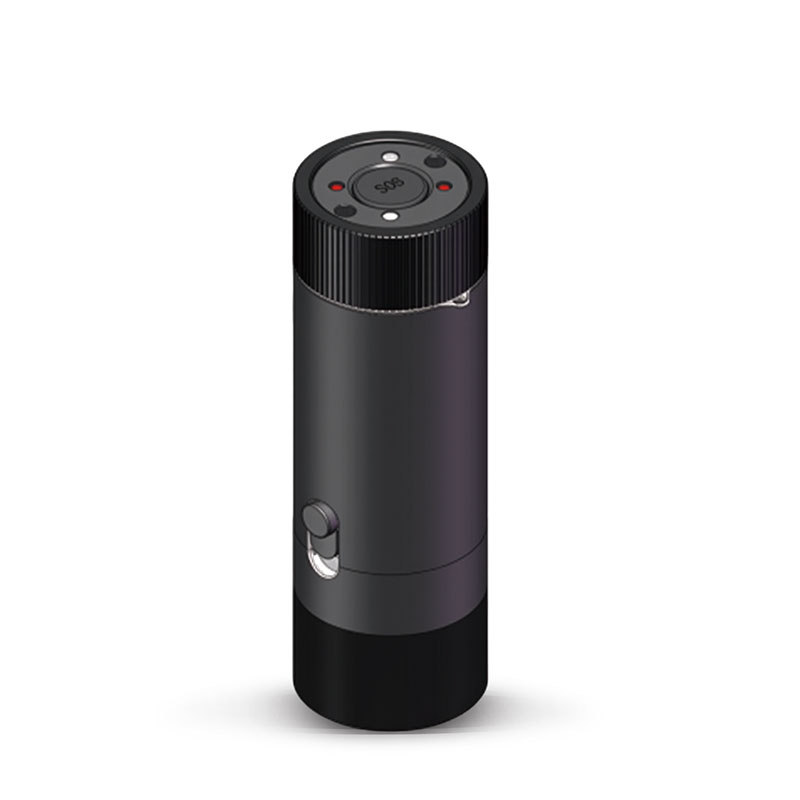 103 Tracking and Locating
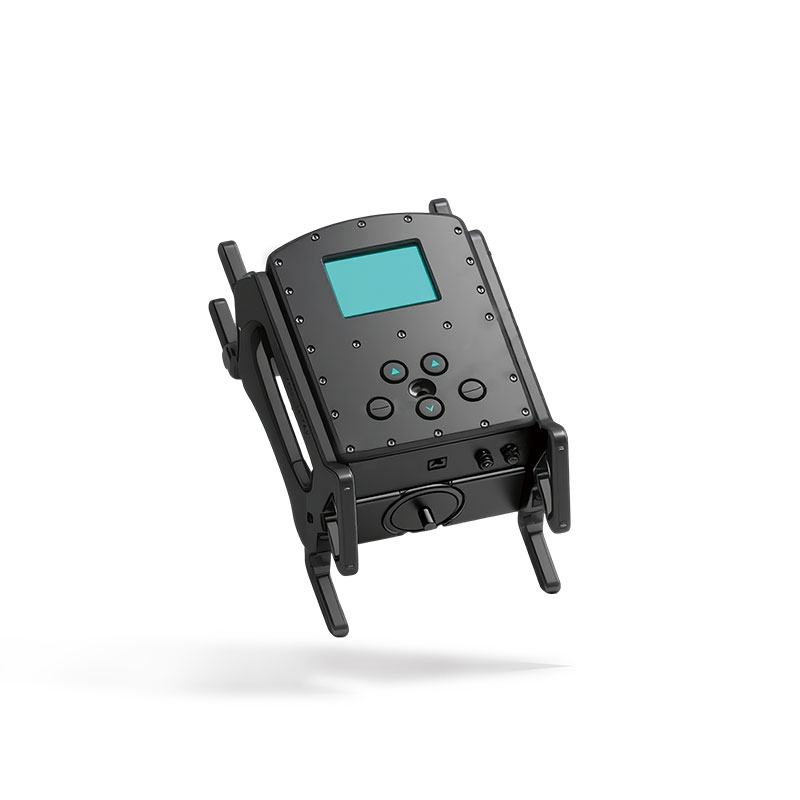 104 Diver Navigation System
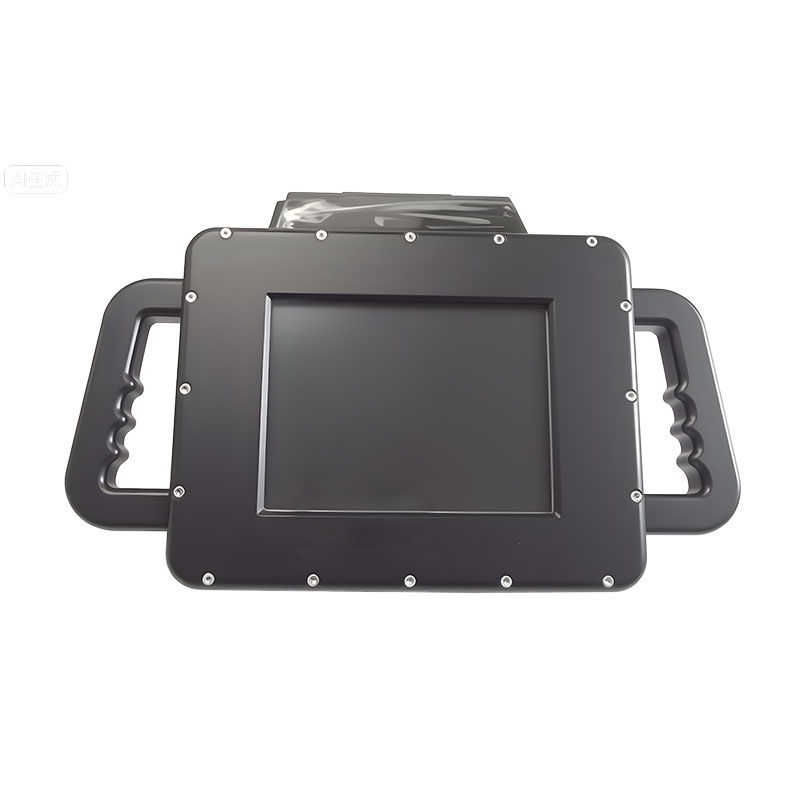 105 Intrusion Detection Sonar
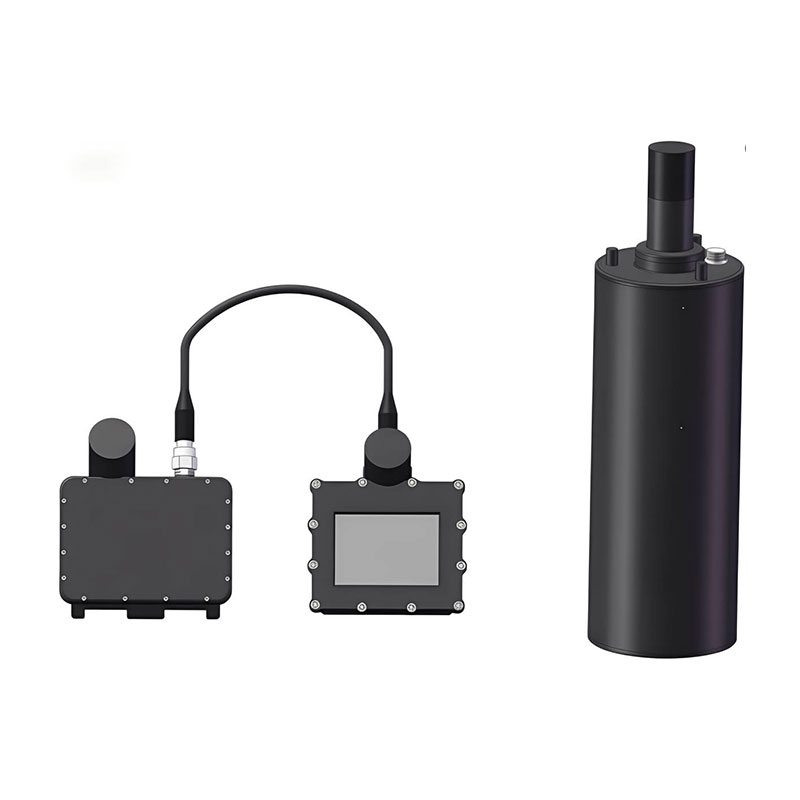 106 Delivery Locator Beacon
 SLLR3000
 SLLR905
 SLLD25
 108IMU
 150M
150M 500MH
500MH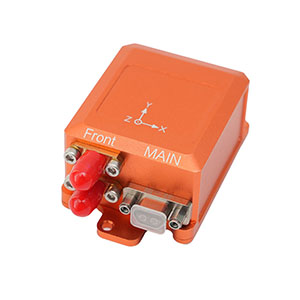 160M
160M 170M
170M SLFC-70
 SLAF280
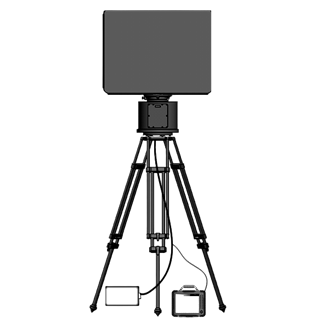 MR360
MR360





Key Performance Metrics to Evaluate in Lightweight Inertial Navigation Sensors
Is your team struggling to select a Lightweight inertial navigation sensor that meets your application demands? You know your project can’t afford unreliable data or heavy, outdated designs. Whether you’re integrating into UAVs, underwater vehicles, or automated guided vehicles, you need precise, durable, and cost-effective solutions. That’s why knowing which performance metrics matter in a Lightweight inertial navigation sensor is critical before you buy.
If you’re responsible for procurement, these are the metrics your engineers will demand—and the ones that will protect your investment.
Accuracy and Drift Rate in Lightweight Inertial Navigation Sensor
Accuracy stands as the most important factor in any Lightweight inertial navigation sensor purchase decision. Drift over time reduces positioning precision and can lead to significant mission failures.
Key specifications include bias stability, which measures how well the sensor maintains calibration over time. Drift rate defines reliability in long missions, ensuring that positional errors remain within acceptable limits. Scale factor error describes the consistency of rotation or acceleration measurements. A strong Lightweight inertial navigation sensor delivers clear, testable values for these metrics, avoiding vague claims and ensuring predictable performance.
Reducing weight and size is essential in modern vehicle and robotics designs. A true Lightweight inertial navigation sensor saves valuable mass compared to traditional units, which translates directly into reduced power requirements and increased payload capacity.
Procurement teams need to verify the total weight and physical dimensions of each unit. A compact form factor ensures easier integration into confined spaces while offering more mounting flexibility. The ability to meet strict dimensional requirements simplifies design planning and reduces installation challenges.
Environmental and Shock Resistance
A Lightweight inertial navigation sensor must deliver consistent performance in real-world operational environments. It needs to resist vibration that comes from engines, propellers, or rough terrain without losing calibration.
Shock resistance is critical for surviving impacts during transport or deployment. A wide operating temperature range ensures continued operation in extreme heat or freezing conditions. Buyers in industrial, marine, and aerospace sectors must prioritize these durability factors to avoid costly field failures and maintenance downtime.
A capable Lightweight inertial navigation sensor supports broad dynamic range and rapid startup. High dynamic range means it can handle fast rotations without saturation, maintaining accuracy during complex maneuvers.
Fast startup time is equally important for mission readiness. Delays in sensor initialization reduce operational efficiency and can compromise deployment schedules. Consistent, short startup time improves reliability and ensures the system is always ready to perform.
Integration and Digital Interfaces
Integration efficiency directly affects deployment cost and long-term support needs. A quality Lightweight inertial navigation sensor offers industry-standard interfaces such as RS-422, CAN, or Ethernet to simplify connectivity with existing systems.
High data rates and robust communication protocols enable real-time feedback and improved control. Supplier-provided software support reduces integration challenges, making it easier for engineering teams to bring systems online quickly.
A reliable Lightweight inertial navigation sensor should come with detailed technical documentation that explains all specifications clearly.Testing reports demonstrate real-world performance and validate claims made in marketing materials. Strong after-sales support ensures access to warranty services, integration help, and easy replacement if needed. Choosing a supplier with a reputation for customer care reduces risk and strengthens the long-term value of your investment.
Quality Supplier: About Poseidon International Group
Poseidon International Group is a trusted partner for advanced navigation solutions. The company specializes in Lightweight inertial navigation sensors engineered for reliable, real-world performance.
The TBSD60 series offers near high-end accuracy at an economical price point. This solution is well-suited for small unmanned vehicles such as ROVs, AGVs, UUVs, and USVs. Its compact design measures 112mm × 112mm × 77.5mm and weighs ≤1200g, making it ideal for installation in tight spaces.
The TBSD60 delivers high environmental resistance, operating in temperatures down to -40℃ while withstanding strong vibrations and shocks. It features fast startup and a wide dynamic range of ±300°/s, supporting demanding mission profiles with dependable accuracy.
Poseidon International Group also serves industries such as railway track inspection, electro-optical targeting systems, mobile satellite communication, and UAV guidance.
By choosing Poseidon International Group, buyers gain access to reliable, battle-tested products, comprehensive technical support, and flexible solutions designed to fit both budget and performance requirements. Our focus on quality, durability, and service helps your systems achieve the precision and dependability your applications demand.